Speaker profiles

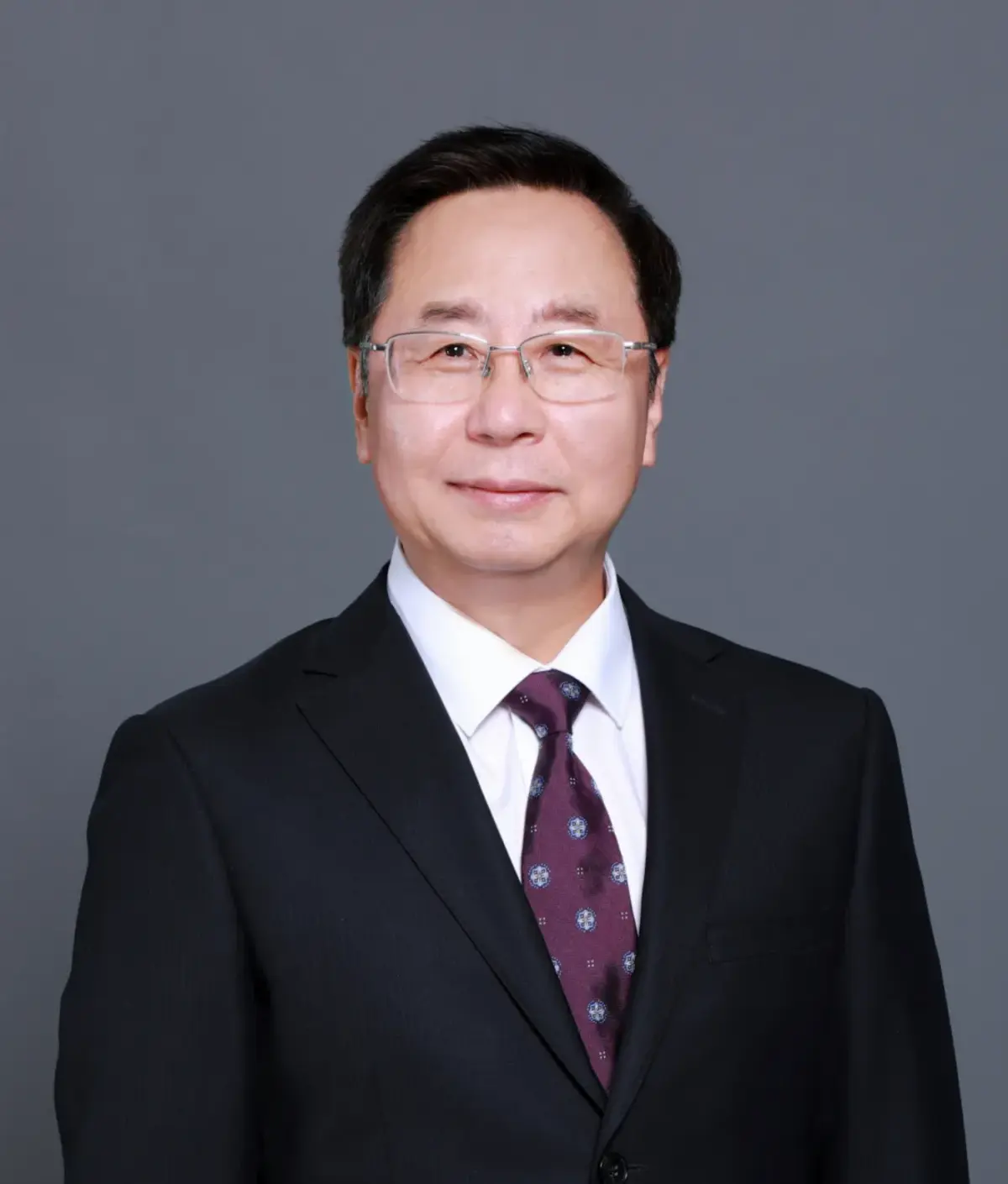
Qu Jiuhui, keynote speaker

Qu Jiuhui

Academician, Chinese Academy of Engineering

CAS Research Center for Eco-Environmental Sciences · Tsinghua University, China

Qu Jiuhui is a distinguished environmental engineer and a leading figure in China's water science community. He is an Academician of the Chinese Academy of Engineering, a Foreign Member of the U.S. National Academy of Engineering, and a Fellow of the World Academy of Sciences (TWAS). He currently serves as a research professor at the Research Center for Eco-Environmental Sciences, Chinese Academy of Sciences, and as a Distinguished Professor at Tsinghua University's School of Environment, where he directs the Center for Water and Ecology.

Regarding greenhouse gas (GHG) emissions, Qu's work addresses the critical challenge of balancing pollution control with carbon reduction in the water sector. He has championed the concept of “carbon-pollution synergistic control,” noting that stricter pollutant discharge standards often demand more energy and produce higher emissions—making the pursuit of both objectives simultaneously a difficult, sometimes contradictory, task. His research group has applied causal machine learning to evaluate how wastewater treatment plant scale affects GHG emission intensity, finding that larger plants generally emit less per unit of wastewater treated, though this benefit varies by regional conditions such as industrial load, rainfall, and temperature.
Zhiguo Yuan, keynote speaker

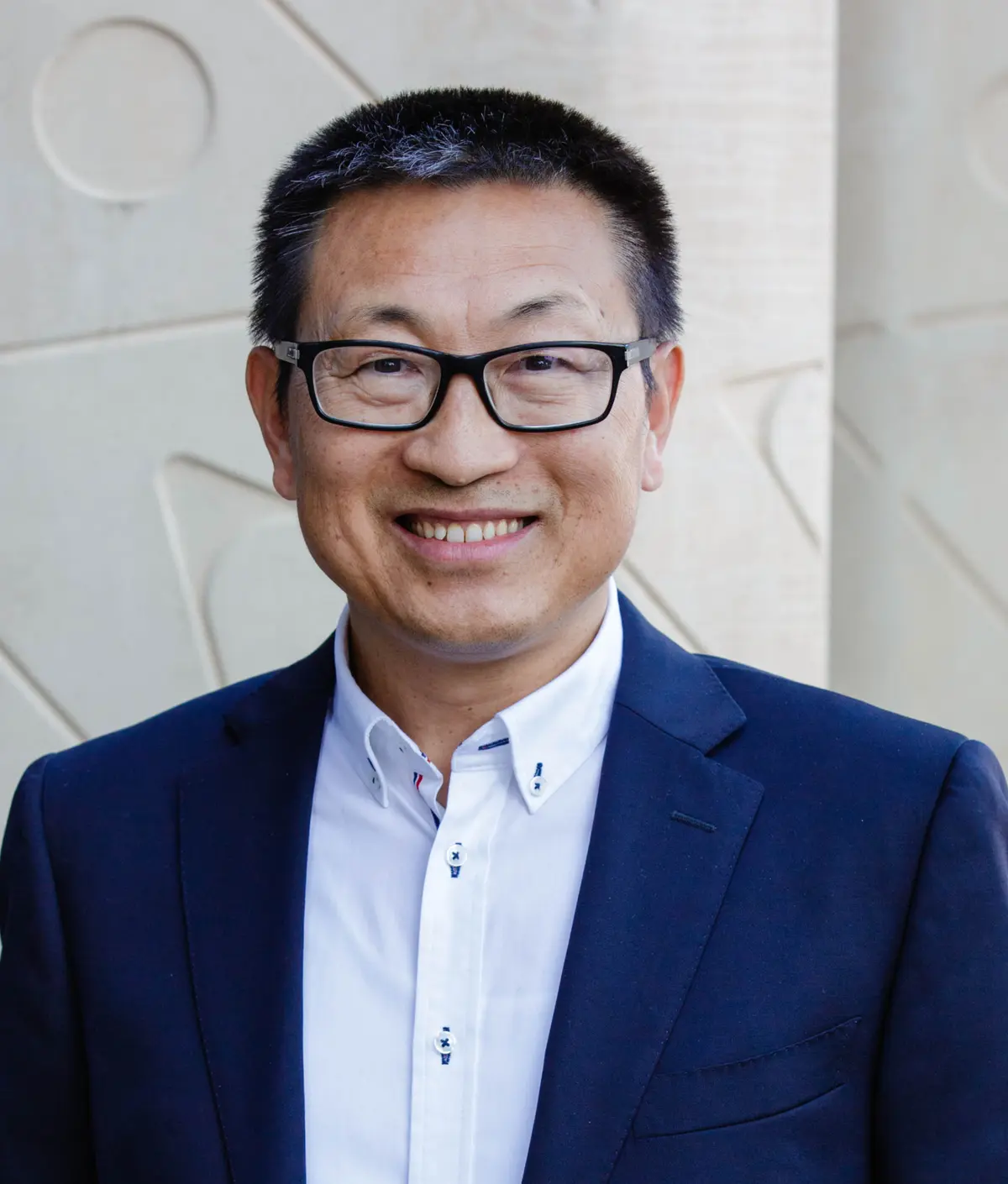
Zhiguo Yuan

Chair Professor of Urban Water Management

City University of Hong Kong

Zhiguo Yuan is a globally recognized expert in water and environmental biotechnology and a leading authority on greenhouse gas (GHG) emissions from urban water systems. He is a Fellow of the Australian Academy of Technology and Engineering (ATSE) and a Distinguished Fellow of the International Water Association (IWA). He currently serves as Chair Professor of Urban Water Management at the School of Energy and Environment, City University of Hong Kong, and previously served as Director of the Australian Centre for Water and Environmental Biotechnology at The University of Queensland.

His research on GHG emissions focuses on the mechanisms, quantification, and mitigation of methane (CH₄) and nitrous oxide (N₂O) from sewer networks, wastewater treatment, and sludge treatment systems. He pioneered the SeweX model for simulating in-sewer processes, including methane generation, and led the development of the first globally applicable tool for estimating sewer methane emissions. A landmark 2026 study published in Nature Water overturned the IPCC's long-standing “zero emission” assumption for sewers, estimating that global sewer networks emit 1.18–1.95 million tonnes of CH₄ annually—adding 16–38% to the carbon footprint of wastewater management. His work also identified a novel microbial process linking methane consumption with nitrate reduction, offering new pathways for GHG mitigation.

Dragan Savić, keynote speaker

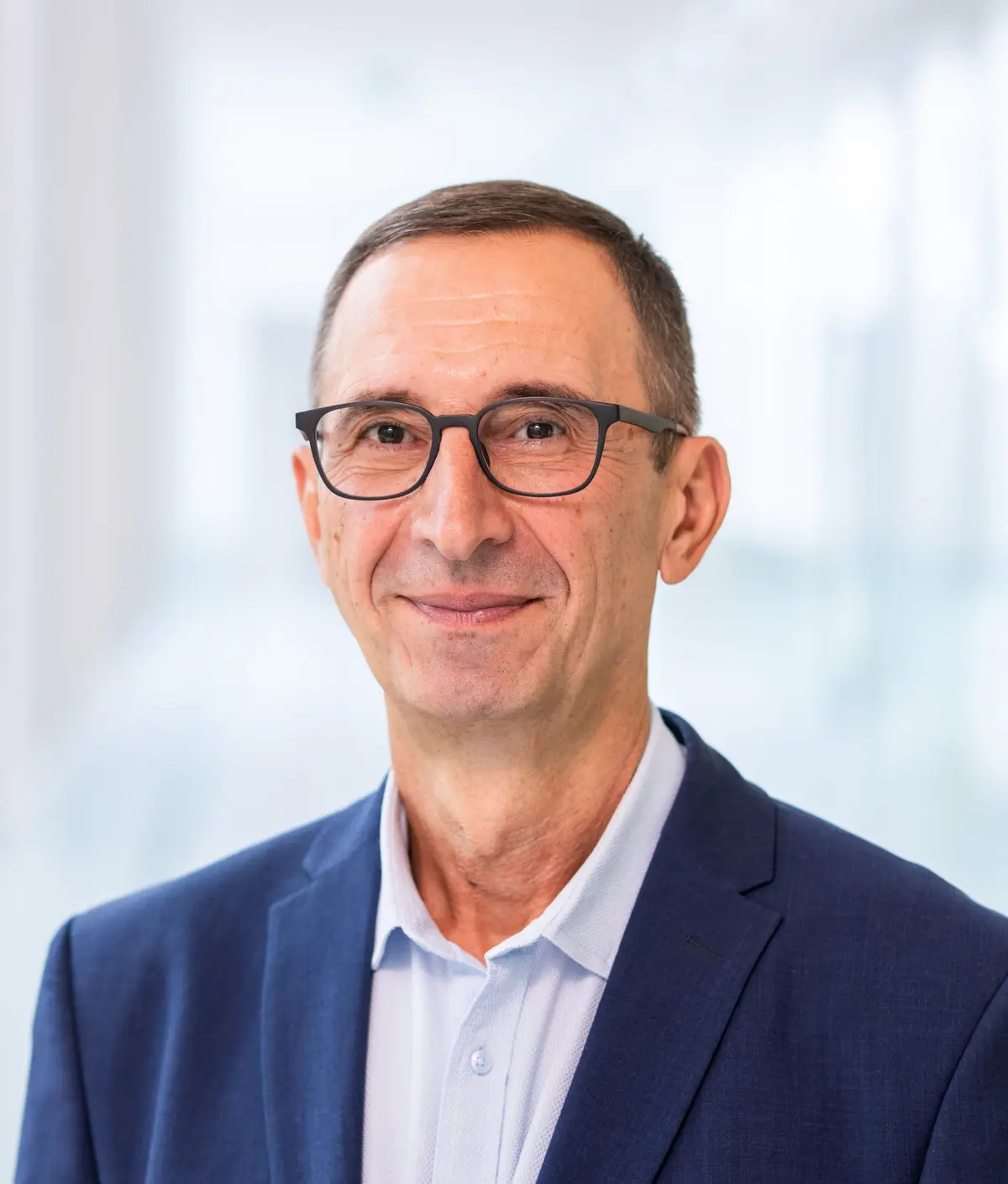
Dragan Savić

Professor of Hydroinformatics and Global Advisor on Digital Sciences

KWR Water Research Institute · University of Exeter

Dragan Savić is a globally recognized expert in hydroinformatics and a leading voice in the digital transformation of the water sector. He is Professor of Hydroinformatics at the University of Exeter, where he founded the Centre for Water Systems, and served as CEO of KWR Water Research Institute in the Netherlands from 2018 to 2024, now serving as Global Advisor on Digital Sciences.

Regarding greenhouse gas (GHG) emissions, Savić has been directly engaged in this topic within the water sector. In June 2024, he gave the introductory talk at the Singapore International Water Week Hot Topics Workshop on “GHG emissions from wastewater treatment works”. His broader research through the ERC-funded Water-Futures project addresses climate adaptation and water resilience, exploring how water infrastructure can be planned under deep uncertainty. He has also publicly emphasized that climate change is felt most acutely through water—via floods and droughts—and that achieving emissions reduction targets requires a water-resilient economy with investment in water infrastructure and efficient reuse.

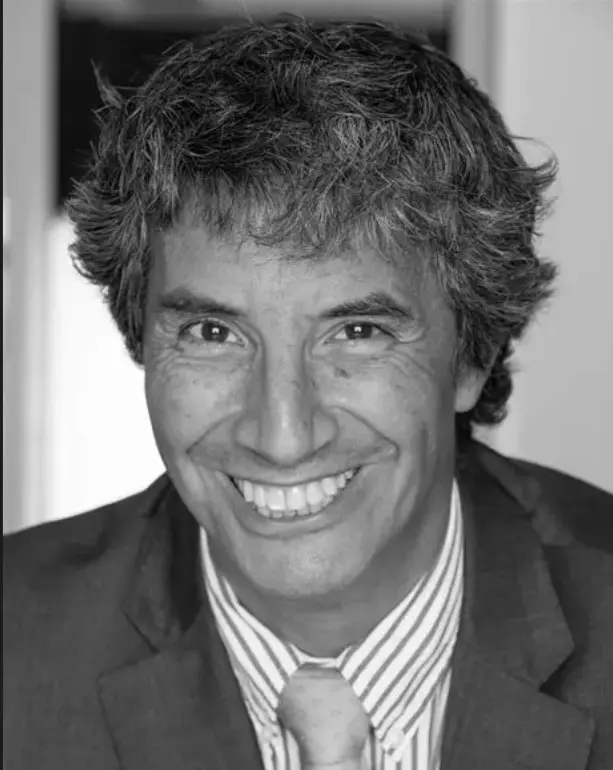
Daniel Nolasco, keynote speaker

Daniel Nolasco

Water and sanitation engineer

Nolasco y Asociados Consulting, Argentina

Daniel Nolasco is an internationally recognized water and sanitation engineer and a leading expert on greenhouse gas (GHG) emissions in the wastewater sector. He is a Member of the United States National Academy of Engineering (NAE), elected in 2024 for his distinguished contributions to the advancement of wastewater treatment technologies and the adaptation of treatment processes to climate change.

Nolasco's work on GHG emissions has focused on quantifying and mitigating emissions from wastewater treatment, including the development of Clean Development Mechanism (CDM) projects to generate carbon credits from methane capture and biogas utilization. He co-authored a technical note for the Inter-American Development Bank on developing CDM projects in wastewater treatment plants, covering GHG emission reduction, carbon bonus generation, and energy recovery potential. He has also contributed to IWA's Climate Smart Utilities guidance on GHG emissions and water resource recovery facilities.

Return to homepage